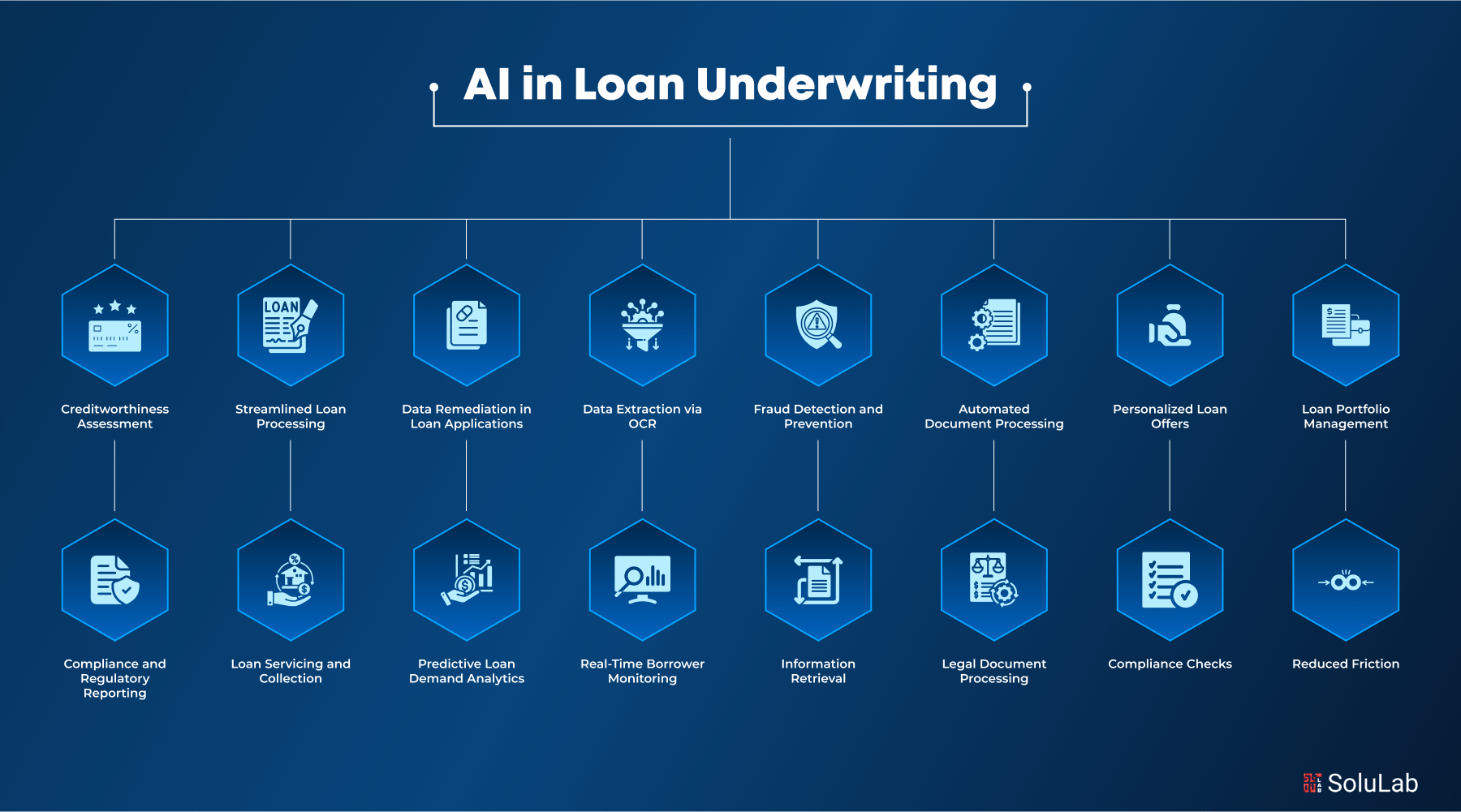
When applying for a loan—whether for a mortgage, personal use, a car, or a business—there’s one critical step that determines whether your application gets approved: loan underwriting. This behind-the-scenes process is the foundation of responsible lending and risk assessment. But what exactly is loan underwriting, how does it work, and why does it matter?
In this comprehensive guide, we’ll break down the loan underwriting process, what underwriters evaluate, how it affects your chances of approval, and how you can prepare to improve your odds.
Definition: What Is Loan Underwriting?
Loan underwriting is the process by which a lender evaluates the risk of lending money to a borrower. It involves assessing the borrower’s creditworthiness, financial history, income, debts, and assets to determine whether they can repay the loan and under what terms.
An underwriter is the person or system responsible for reviewing the application and making the approval or denial decision.
Why Is Underwriting Important?
Underwriting protects both lenders and borrowers. For lenders, it reduces the risk of loan defaults. For borrowers, it ensures they are not approved for a loan they cannot afford to repay.
Effective underwriting helps:
- Prevent bad debt
- Determine appropriate interest rates and loan terms
- Ensure compliance with lending laws and regulations
- Verify the accuracy and honesty of borrower-provided information
Types of Loan Underwriting
Loan underwriting varies depending on the type of loan:
1. Mortgage Underwriting
Involves a detailed review of income, debt-to-income ratio, employment, credit score, property appraisal, and down payment.
2. Personal Loan Underwriting
Focuses mainly on credit score, income, employment stability, and existing debts.
3. Auto Loan Underwriting
Includes credit checks, income verification, and value of the vehicle being purchased (collateral).
4. Business Loan Underwriting
Reviews company financials, revenue trends, business plan, credit profile, and collateral.
5. Student Loan Underwriting
For federal loans, underwriting is minimal. For private loans, lenders examine credit, income, co-signers, and academic background.
How Does the Underwriting Process Work?
While underwriting can be manual or automated (or a combination of both), it typically involves the following steps:
Step 1: Application Submission
The borrower provides key documents, including:
- Loan application form
- Proof of income (pay stubs, tax returns)
- Employment details
- Credit history
- Bank statements
- Identification
Step 2: Credit Analysis
The underwriter pulls a credit report to assess:
- Credit score
- Payment history
- Outstanding debts
- Credit utilization ratio
- Any delinquencies, bankruptcies, or collections
Step 3: Income and Employment Verification
The underwriter confirms the borrower’s ability to repay the loan by evaluating:
- Monthly income vs. monthly debts (Debt-to-Income Ratio or DTI)
- Length and stability of employment
- Consistency of income over time
Step 4: Asset and Liability Review
For large loans (e.g., mortgages), underwriters assess the borrower’s:
- Assets: Savings, investments, real estate
- Liabilities: Existing debts, obligations
This helps determine financial stability and backup resources.
Step 5: Collateral Evaluation (if applicable)
In secured loans, such as mortgages or auto loans, the underwriter reviews the value of the collateral:
- Real estate appraisal for mortgages
- Vehicle valuation for car loans
Step 6: Decision Making
Based on the gathered data, the underwriter decides to:
- Approve the loan
- Approve with conditions (e.g., require more documentation or a co-signer)
- Suspend or deny the application
The decision is then communicated to the applicant.
Automated vs. Manual Underwriting
Automated Underwriting Systems (AUS)
These are software tools that evaluate applications using algorithms and data points.
Pros:
- Fast results (often instant)
- Efficient for standard loan types
- Less prone to human error
Cons:
- Less flexibility
- May not consider unique borrower circumstances
Manual Underwriting
Involves human review, typically for complex or borderline cases.
Pros:
- Greater flexibility and nuance
- Ideal for self-employed or irregular income earners
Cons:
- Slower process
- May require more documentation
Common Reasons Loans Get Denied in Underwriting
- Low credit score
- High debt-to-income ratio
- Unstable or insufficient income
- Inaccurate or incomplete application
- Undervalued collateral
- Recent job change
- Bankruptcy or foreclosures
Understanding these risks can help you proactively improve your application before applying.
How Long Does Loan Underwriting Take?
- Automated underwriting: A few minutes to a few hours
- Manual underwriting: 2 to 10 business days (or more for complex cases)
The timeframe depends on the type of loan, lender efficiency, and how quickly you provide required documents.
How to Prepare for Loan Underwriting
✅ 1. Check and Improve Your Credit Score
Get your free credit report and fix any errors. Pay down debts and avoid new credit inquiries before applying.
✅ 2. Organize Your Documents
Have all necessary paperwork ready:
- ID
- Income verification
- Tax returns
- Asset statements
✅ 3. Reduce Your DTI Ratio
Pay off small debts if possible to improve your debt-to-income ratio.
✅ 4. Avoid Big Financial Changes
Do not switch jobs, take on new debt, or make large purchases before or during the loan process.
✅ 5. Be Honest and Consistent
Ensure all the information you provide is accurate. Lenders can verify every detail, and discrepancies may result in denial.
Loan Underwriting and Your Credit Score
During underwriting, a hard credit inquiry may be performed, which can lower your score by a few points temporarily. However, this is a normal part of the lending process. As long as you manage credit responsibly, this impact is short-term.
If the loan is approved and managed well, it can improve your credit score over time.
Conclusion
Loan underwriting is a critical step in the borrowing process that determines whether your loan application is approved, how much you can borrow, and under what terms. By understanding what underwriters look for and preparing your financial profile in advance, you can increase your chances of success.
Whether you’re applying for a personal loan, mortgage, or business loan, the key to navigating underwriting successfully is transparency, preparation, and financial responsibility.