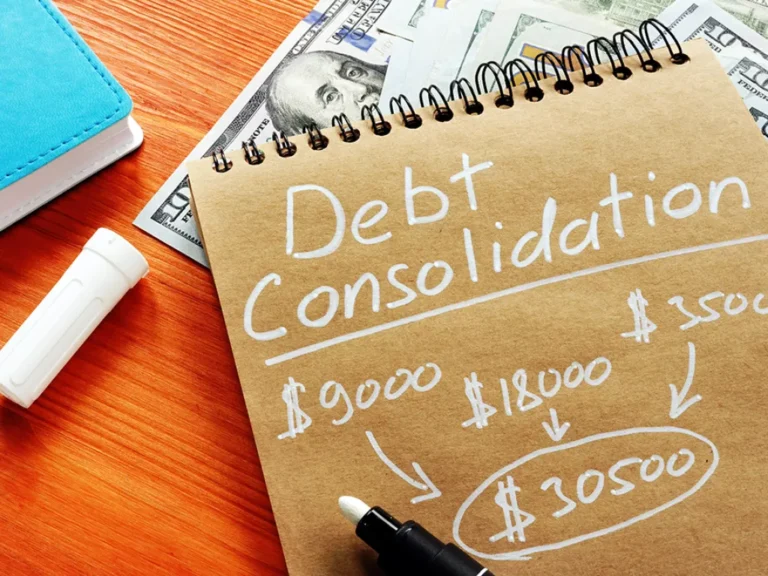
Credit card debt is one of the most common financial challenges faced by millions worldwide. High-interest rates, multiple monthly payments, and the stress of managing several accounts can quickly become overwhelming. One of the most effective strategies to regain control over your finances is using loans to consolidate credit card debt.
In this detailed guide, we explore what debt consolidation is, how loans can help simplify your repayment process, the types of loans available, and how to use them strategically to eliminate credit card debt faster and more affordably.
What Is Credit Card Debt Consolidation?
Credit card debt consolidation involves combining multiple credit card balances into a single loan with one monthly payment, often at a lower interest rate. This streamlines debt management and can reduce the total interest paid over time.
By consolidating debt, borrowers can:
- Simplify payments with a single monthly bill
- Lower overall interest rates
- Potentially reduce monthly payments
- Accelerate the path to becoming debt-free
How Do Loans Help Consolidate Credit Card Debt?
Using a debt consolidation loan to pay off credit card balances converts revolving credit debt into an installment loan. Unlike credit cards, which often carry high variable interest rates, loans usually have fixed interest rates and fixed payment schedules.
Benefits of Using Loans for Debt Consolidation:
- Lower interest rates: Many consolidation loans offer significantly lower rates than credit cards, especially if you have good credit.
- Predictable payments: Fixed monthly payments make budgeting easier.
- Faster payoff: With lower interest and structured repayment, you can pay off debt faster.
- Improved credit score: Timely payments and reduced credit utilization ratio can boost your credit.
Types of Loans Used for Debt Consolidation
1. Personal Loans
Personal loans are the most popular option for credit card debt consolidation.
- Unsecured: No collateral required
- Fixed interest rates and payments
- Loan amounts vary (typically $1,000 to $100,000)
- Loan terms range from 12 months to 7 years
Personal loans are ideal for borrowers with good credit scores looking for a straightforward consolidation solution.
2. Home Equity Loans or Home Equity Lines of Credit (HELOCs)
If you own a home, you can tap into your equity to consolidate credit card debt.
- Lower interest rates than unsecured loans
- Interest may be tax-deductible
- Requires collateral—your home
- Risk of foreclosure if payments are missed
Home equity options are beneficial for larger balances but come with higher risks.
3. Balance Transfer Credit Cards
Though technically not a loan, balance transfer cards offer a promotional low or 0% APR for a set period, allowing you to transfer credit card balances and pay them off interest-free.
- No monthly payments on interest during the promotional period
- Balance transfer fees apply (typically 3-5%)
- Good for borrowers disciplined enough to pay off balances quickly
Balance transfers can be a short-term consolidation strategy but often require excellent credit.
How to Use Loans to Consolidate Credit Card Debt Effectively
Step 1: Assess Your Debt
- List all your credit cards, balances, and interest rates.
- Calculate your total outstanding credit card debt.
- Understand your monthly minimum payments.
Step 2: Check Your Credit Score
Your credit score influences loan approval and interest rates. Borrowers with higher scores generally qualify for better terms.
Step 3: Compare Loan Options
- Shop around for the best personal loan or home equity loan rates.
- Look for loans with no or low origination fees.
- Consider loan terms and monthly payment affordability.
Step 4: Apply for the Loan
Submit applications to lenders with all required documentation such as proof of income, credit history, and identification.
Step 5: Pay Off Credit Card Balances
Once the loan is funded, immediately use the funds to pay off all your credit cards in full.
Step 6: Focus on Loan Repayment
- Make monthly payments on time.
- Avoid accumulating new credit card debt during repayment.
- Consider setting up automatic payments to avoid missed payments.
Key Considerations When Consolidating Credit Card Debt
Interest Rates and Fees
- Ensure the loan interest rate is lower than the average credit card rates.
- Factor in any loan origination fees or prepayment penalties.
Loan Term
- Longer loan terms reduce monthly payments but increase total interest paid.
- Shorter terms have higher payments but save on interest.
Avoid New Debt
- Consolidation will not solve underlying spending habits.
- Avoid racking up new credit card debt while paying off the loan.
Impact on Credit Score
- Consolidation can initially cause a slight dip in your credit score due to inquiries.
- Paying down credit card balances can improve your credit utilization ratio, boosting your score over time.
Pros and Cons of Using Loans for Debt Consolidation
| Pros | Cons |
|---|---|
| Lower interest rates compared to credit cards | May require good credit for best rates |
| Single monthly payment simplifies budgeting | Risk of additional debt if spending isn’t controlled |
| Fixed payment schedule aids financial planning | Some loans may have fees or prepayment penalties |
| Potential improvement in credit score | Secured loans risk collateral loss |
Alternative Debt Consolidation Options
While loans are a powerful tool, some may consider:
- Debt management plans through credit counseling agencies
- Debt settlement (riskier and impacts credit heavily)
- Bankruptcy (last resort)
Loans remain the preferred method for most because of their straightforward structure and potential cost savings.
Conclusion
Using loans to consolidate credit card debt is a smart financial strategy that can help you reduce interest costs, simplify payments, and regain control over your financial future. By carefully selecting the right loan, understanding your debt, and committing to responsible repayment, you can accelerate your journey toward becoming debt-free.